
How to Start a T-Shirt Business Low Cost
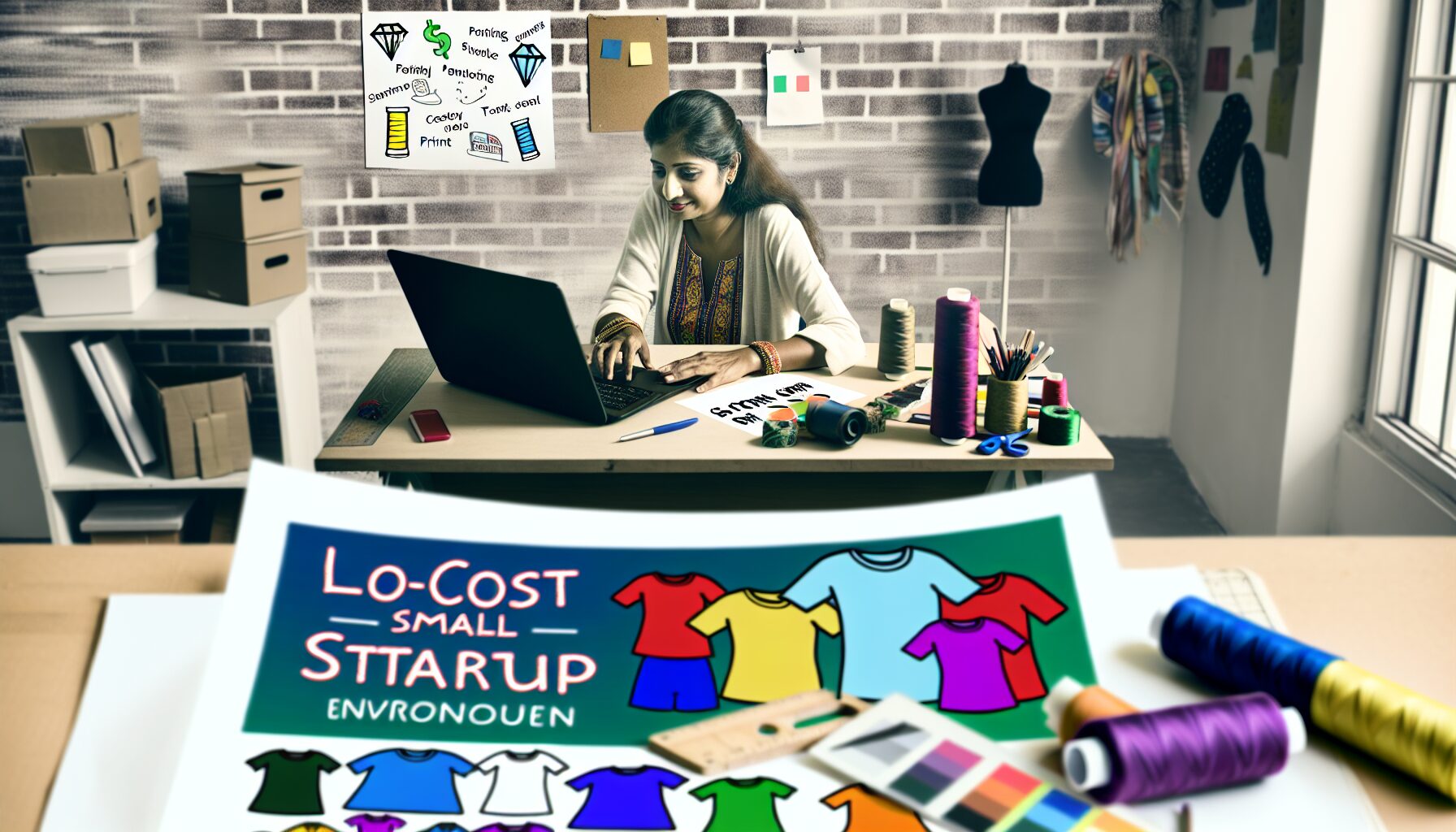
The T-shirt business is an exceptional opportunity for aspiring entrepreneurs due to its low-cost entry and high demand globally. T-shirts are a staple in people’s wardrobes, favored for their comfort, simplicity, and versatility. This business taps into the vast market of fashion, customization, and branding across various demographics.
Understanding the evolution of T-shirts, which began as undergarments and transformed into mainstream casual wear, highlights their importance and market stability. With more than two billion T-shirts sold worldwide annually, the potential for a profitable business is considerable. This article explores in-depth how to start a T-shirt business with minimal investment, guiding you through research, designing, production, marketing, and sales strategies to establish a sustainable brand.
Launching a T-shirt business on a budget involves strategic planning and leveraging cost-effective resources. Whether you have a passion for fashion, graphic design, or entrepreneurship, this article will help you break down the process from conceptualization to launch, providing practical advice for the best approaches to reduce costs without compromising quality or customer satisfaction.
We will delve into niche selection to identify your target audience, sample design creation using both handmade and digital tools, sourcing affordable materials or utilizing print-on-demand services, and savvy marketing through social media and local partnerships. Additionally, insights into managing finances, scaling operations, and maintaining a competitive edge will be discussed.
By the end of this guide, you will understand the critical steps required to start a low-cost T-shirt business and how to navigate the challenges common to startups in this sector, setting you on a path to success with minimal financial risk.
Choosing a Profitable Niche and Target Audience
Choosing a profitable niche and target audience is crucial when starting a low-cost T-shirt business. Narrowing your focus allows you to allocate limited resources strategically and reach customers more effectively. Begin by exploring niches that resonate with strong, dedicated communities. Areas such as sports teams, activism, fandoms (movies, video games, TV shows), and local or regional themes often have passionate followers ready to buy merchandise representing their identity.
To analyze your target audience, consider demographics like age, interests, and lifestyle habits. Younger audiences might prefer trendy, meme-inspired designs, while older groups might look for vintage or classic themes. Pay attention to emerging trends on social media platforms and forums to stay ahead of what consumers want. Tools like Google Trends, social media hashtags, and competitor analysis help identify popular topics within potential niches.
Market research doesn’t have to be expensive. Utilize free surveys on platforms like SurveyMonkey or conduct informal interviews through social media groups related to your chosen niche. This can validate interest and willingness to buy. Additionally, reviewing competitor stores and customer reviews provides insights into unmet needs and opportunities to differentiate. Validating your niche before investing in inventory or design ensures your business aligns with existing demand, minimizing wasted costs.
By focusing on a well-defined niche and understanding your audience deeply, you position your T-shirt business for sustained growth, even with minimal upfront investment.
Creating Unique and Appealing T-Shirt Designs on a Budget
Starting with unique and appealing T-shirt designs on a budget requires strategic use of resources. One effective approach is leveraging free or low-cost design software like Canva, GIMP, or Inkscape. These tools provide powerful features without the high price tag of professional software, enabling you to create clean, professional designs yourself. Don’t underestimate the charm of minimalistic designs—simple, bold typography or basic geometric shapes can be both eye-catching and cost-effective.
Hiring freelance designers selectively is another affordable option. Instead of commissioning full collections, consider working with freelancers on platforms like Fiverr or Upwork for individual designs or concept ideas. This selective outsourcing saves money while benefiting from professional input. When keeping designs simple, ensure originality by customizing fonts and experimenting with layout and color palettes to avoid generic looks.
Understanding current design trends is key; following sites like Pinterest or design blogs helps you stay relevant without costly market research. However, be cautious about copyright issues—avoid using trademarked logos, images, or protected phrases, and opt for original art or licensed fonts.
For showcasing your ideas, free mockup generators like Placeit or Smartmockups allow you to present high-quality product visuals without investing in expensive photography or graphic design. These tools help customers visualize the final product, boosting sales potential without draining your budget. Balancing creativity and cost-efficiency here is essential for launching a sustainable, low-cost T-shirt business.
Cost-Effective T-Shirt Production and Sourcing Methods
Starting your t-shirt business with cost-effective production and sourcing strategies is key to maintaining low overhead while delivering quality products. One popular option is print-on-demand (POD), which requires no upfront inventory. You upload your designs, and the provider prints and ships orders as they come in. POD’s biggest advantage is zero minimum order quantities and minimal risk, but it often comes with higher per-unit costs and less control over print quality and delivery times.
Alternatively, buying blank t-shirts in bulk can significantly lower your cost per item. You can source blanks locally or from overseas suppliers. Local suppliers tend to offer faster turnaround and easier quality control, though sometimes at a slightly higher price. Overseas suppliers, often based in countries like China, offer lower prices but usually require larger minimum order quantities, can have longer shipping times, and pose potential quality consistency challenges. Testing samples before placing large orders is essential.
When selecting fabrics, balance cost with comfort and durability. Cotton blends, such as 65% polyester and 35% cotton, are typically more affordable and resistant to shrinking than 100% cotton, but pure cotton often offers better print results and appeal to customers valuing natural fibers.
Printing techniques vary in cost and quality. Screen printing is cost-effective for large orders, delivering vibrant, durable prints but requires setup fees and longer lead times. Heat transfer printing suits smaller batches and complex designs but may fade faster. Direct-to-garment (DTG) printing offers excellent detail and no setup fees, ideal for small to medium runs, though printing can be slower and slightly more expensive per unit.
Careful evaluation of your order volume, budget, and quality expectations will guide the best combination of sourcing and printing methods to launch your affordable t-shirt business.
Marketing Strategies to Launch and Grow Your Business
To successfully market your low-cost T-shirt business, focus on maximizing impact without straining your budget. Start with social media marketing by selecting platforms popular with your target audience, such as Instagram, TikTok, and Facebook. Post consistently using engaging visuals and storytelling to build your brand’s narrative. Utilize free features like stories, reels, and live sessions to create genuine connections. Encourage user-generated content by asking customers to share photos wearing your shirts, which amplifies organic reach.
Collaborate with micro-influencers who align with your brand values. These partnerships tend to be more affordable and often yield higher engagement due to niche audiences. Offer free merchandise or commissions on sales rather than large upfront payments to maintain low costs. This strategy builds credibility without heavy expenditure.
Content creation is another essential tool. Develop blog posts, videos, or styling tips related to your designs. Optimizing your product descriptions and blog content through SEO techniques, such as keyword-rich titles and meta descriptions, improves your store’s visibility on search engines. Learning basic SEO practices can generate free and sustainable traffic.
Branding essentials like a simple yet memorable logo, creative yet cost-effective packaging, and excellent customer service foster brand loyalty. Personal touches in packaging and prompt, respectful communication encourage repeat sales and word-of-mouth promotion.
Test your marketing campaigns carefully by tracking clicks, conversions, and engagement with analytics tools available on social media or Google Analytics. Refine your tactics based on data insights for sustained growth and optimization.
Managing Finances and Scaling Sustainably
Managing your finances carefully is crucial when starting a t-shirt business on a tight budget. Begin by setting a realistic budget that covers essentials such as blank shirts, printing supplies, packaging, and basic marketing without overspending. Track every expense diligently using simple and free tools like Wave or ZipBooks, which offer user-friendly accounting and invoice management tailored for small businesses.
Reinvesting profits early on keeps your operation sustainable. Allocate a portion of earnings to replenish inventory and invest in new designs that can attract a wider audience. This incremental reinvestment fuels growth while avoiding costly loans or credit extensions.
When scaling, proceed cautiously. Expanding your design line is a low-risk way to test market demand without significant capital. Use print-on-demand services initially to increase production capacity without the burden of inventory. Once consistent sales validate your offerings, consider bulk ordering from suppliers to reduce costs per unit.
Explore new sales channels gradually, such as local markets, pop-up events, or additional online platforms like Etsy or Depop. Monitor performance and customer feedback closely to identify which channels yield the best return.
To minimize risks, maintain business agility by avoiding overstock and staying flexible with your designs and production methods. Digital inventory management tools like Sortly or inFlow Inventory can be affordable solutions to keep track of stock levels efficiently. Staying organized with finances and inventory ensures you can adapt quickly to market changes and customer preferences without jeopardizing your financial health.
Concluding Thoughts on Starting a Low-Cost T-Shirt Business
Starting a T-shirt business with low investment is an achievable goal when approached strategically. Key elements include identifying a niche, sourcing affordable materials, and employing cost-effective marketing strategies. With dedication, creativity, and smart resource management, your T-shirt venture can flourish and grow sustainably. Embrace the journey with persistence and adaptability to build a successful brand in this dynamic market.
About the author

Melissa is a passionate financial writer based in the United States. In her 30s, she combines her love for finance with her flair for writing, creating content that is both informative and approachable for her audience. As the creator of a financial blog, Melissa’s mission is to simplify complex financial concepts and make them accessible to everyone, regardless of their background. She focuses on topics like personal budgeting, saving strategies, and financial planning, always striving to provide her readers with practical tools for achieving their financial goals. Her expertise in finance is matched only by her dedication to clear, engaging writing. Whether she's breaking down investment strategies, explaining credit scores, or offering tips on debt management, Melissa ensures that her content is easy to understand and actionable for her readers. In her free time, Melissa enjoys keeping up with the latest trends in the finance world and continually expanding her knowledge to stay ahead of the curve. For her, finance is not just about numbers—it’s about helping people take control of their money and create the life they want.


